


Exploring the hidden influences of psychology in casino gambling decisions
The Role of Cognitive Biases in Gambling
Cognitive biases significantly influence how individuals make decisions in a casino setting. These biases can lead players to overestimate their chances of winning, often resulting in increased gambling behavior. For instance, the “gambler’s fallacy” causes individuals to believe that past losses will influence future outcomes, prompting them to continue playing in the hope that their luck will change. This psychological trap can keep players engaged longer than they intended, often leading to larger financial losses. Engaging with real online casinos new york can sometimes exacerbate these biases.

Moreover, biases such as “confirmation bias” lead gamblers to remember their wins more vividly than their losses. This selective memory can create a false sense of success and lead to a continual pursuit of winnings. Understanding these cognitive biases is crucial for both gamblers and casino operators, as it sheds light on the psychological mechanisms driving gambling behavior.
The Impact of Emotions on Betting Behavior
Emotions play a pivotal role in gambling decisions, often overshadowing rational thinking. Excitement and anticipation can lead to impulsive betting, as players chase the thrill of a potential win. Conversely, negative emotions such as sadness or frustration might drive individuals to gamble as a form of escapism. This emotional rollercoaster can lead to unpredictable betting patterns, making it difficult for players to maintain control over their spending.
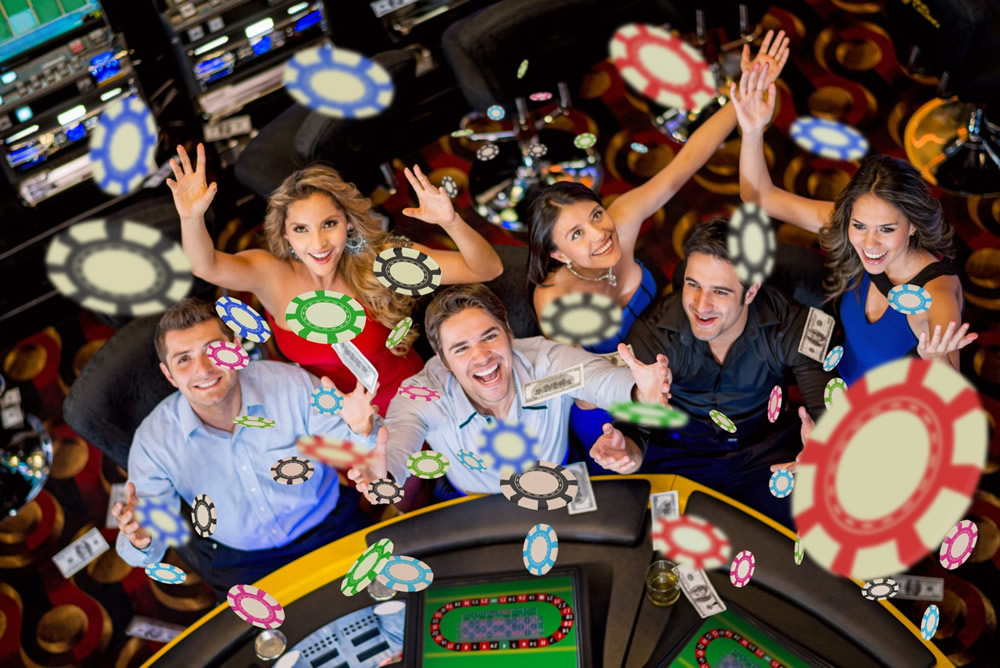
Additionally, the social environment in casinos can amplify emotional responses. For example, the atmosphere of celebration around a winning table can lead nearby players to join in, driven by the positive emotions in the air. This social influence can result in reckless betting, as the collective excitement can overshadow personal financial limitations.
The Allure of Casino Design and Atmosphere
The design of a casino is meticulously crafted to enhance the gambling experience and influence decisions. Bright lights, enticing sounds, and vibrant colors are strategically used to create an immersive environment that keeps players engaged. The layout often encourages players to spend more time and money, as they become entranced by the sensory stimulation around them.
Furthermore, the absence of clocks and windows in many casinos creates a disorienting effect, making it easy for players to lose track of time. This design choice fuels the idea of “the time flies when you’re having fun,” allowing casinos to maximize the duration of play and the amount of money wagered. Understanding these design elements helps elucidate how environment can manipulate psychological responses, leading to decisions that players may later regret.
The Influence of Social Dynamics in Gambling
Social dynamics play a crucial role in gambling decisions, as players often adjust their behavior based on the actions of others. The presence of friends or fellow gamblers can create a group mentality, encouraging higher stakes and riskier bets. This phenomenon is amplified in games like poker, where players frequently gauge the emotions and behaviors of others to inform their decisions.
Moreover, the social aspect of gambling can lead to peer pressure, where individuals feel compelled to bet more or take risks in order to fit in or impress others. This pressure can overshadow personal financial considerations, leading to choices that may have serious consequences. Recognizing the power of social dynamics is essential for understanding gambling behavior in a casino context.
Understanding the Role of Research and Insights
Organizations focused on gambling behavior research offer invaluable insights into the psychological factors at play. By analyzing patterns and trends in gambling decisions, they help to inform responsible gaming practices and policies. Understanding these psychological influences is vital for both gamblers seeking to make informed choices and for regulators aiming to create safer gaming environments.
Through comprehensive studies and data analysis, these organizations strive to enhance the overall understanding of gambling psychology. This knowledge not only aids players in navigating their own behaviors but also empowers policymakers to establish guidelines that promote safer gambling practices. The ongoing research fosters a deeper comprehension of the intricate relationship between psychology and gambling decisions.